How to Choose a Mask, Snorkel & Fins
Your mask, snorkel and fins are the most important, and the first, pieces of dive gear that you purchase. Learn what matters, what doesn't, and how to choose equipment that fits the way you dive.
The Essential Three
Your mask, fins & snorkel are highly personal pieces of equipment. Fit and comfort matter more than simply choosing the most expensive option.
See Clearly
A good mask should create a comfortable, reliable seal around your face without pressure points or leaks.
Move Efficiently
The right fins should provide the propulsion and control you need without leaving you exhausted or cramping.
Breathe Comfortably
A snorkel is primarily for surface swimming, so comfort, breathing resistance and simplicity are key.
Choosing the Right Mask
When it comes to masks, fit comes before features.
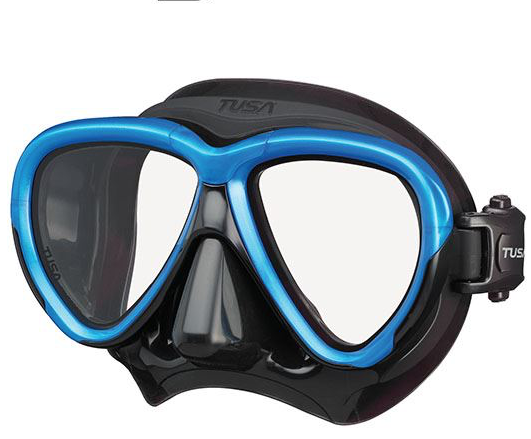
Your mask needs to create an airtight seal against your face. A mask that looks great but does not fit your face properly will leak, fog and become a distraction throughout your dive.
The best way to choose a mask is to try several models on in person. We have over 40 scuba & freediving masks to try in our shop. Different faces suit different skirt shapes, nose pockets and internal volumes. Purchasing a mask online can be risky, as you aren't able to test the seal.
Place the mask gently against your face without using the strap. Breathe in lightly through your nose and let go. A properly fitting mask should stay in place because of the seal. If it immediately falls away or loses the seal, try another model.
What Should You Consider?
Volume
Volume is the amount of air space trapped inside a mask. This is important to consider because it affects how you can equalize, clear water, and see. Low-volume masks sit closer to your face and contain less internal air. This can make clearing and equalizing easier. High-volume masks sit further from your face and hold more air.
Tempered Glass
Look for tempered glass lenses designed for diving rather than inexpensive plastic lenses. All of our masks are tempered - we only fit high quality masks!
Silicone Skirt
Some mask skirts are soft, and some are more rigid. A soft silicone skirt helps create a comfortable seal and allows the mask to conform to the shape of your face.
Lens Configuration
Single, dual and multi-lens designs all have advantages. The best choice depends on your face shape, field-of-view preferences and whether you may want prescription lenses.
Choosing the Right Fins
Your fins are your engine underwater.
Fins turn the movement of your legs into propulsion. The right pair should help you move efficiently while giving you enough control for the type of diving you actually do.
Before choosing a fin, think about where you dive most often. A tropical vacation diver has different requirements from someone regularly making cold-water shore dives in Ontario.
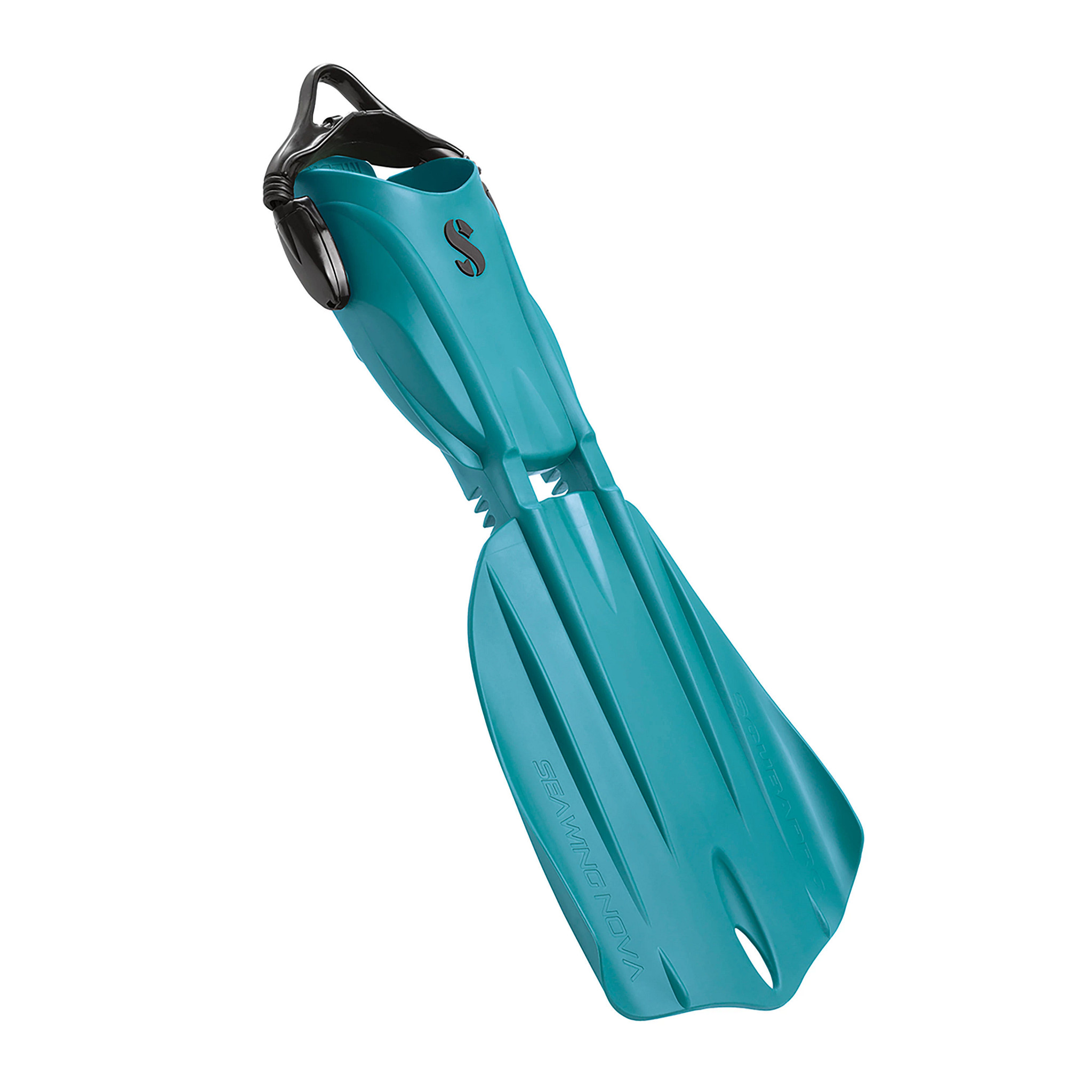
If you plan to wear dive boots, you'll need an open-heel fin. If you primarily dive or snorkel in warm water barefoot from a boat, a full-foot fin may be a better fit.
Open-Heel vs. Full-Foot
| Open-Heel | Full-Foot |
|---|---|
| Adjustable strap or spring strap | Slips directly over the foot |
| Designed to be worn with dive boots | Usually worn barefoot or with a thin sock |
| Excellent for cold water and shore diving | Excellent for warm-water travel |
| More adaptable to different boot thicknesses | Lightweight and simple |
What About Blade Style?
Paddle & Channel Fins
Traditional blade designs provide predictable propulsion and control. They are a versatile choice for recreational scuba diving.
Split Fins
Split designs provide an easy, responsive kicking feel for some divers. While not recommended for most, these can be a great option for those who prefer less resistance.
Travel Fins
Compact fins are designed to reduce size and weight for divers who spend a lot of time travelling.
Stiffness
A stiffer fin can provide strong propulsion, but it may also require more effort. A moderately flexible fin can be a great starting point for many new divers.
If you are buying open-heel fins, bring the boots you actually plan to wear diving. A fin that fits perfectly over a thin sock may feel completely different over a 5 mm boot.
Choosing the Right Snorkel
Keep it comfortable, functional and appropriate for how you dive.
Your snorkel is primarily a surface-swimming tool. It can be useful during surface swims, training and recreational snorkeling, but there is no need to overcomplicate your choice.
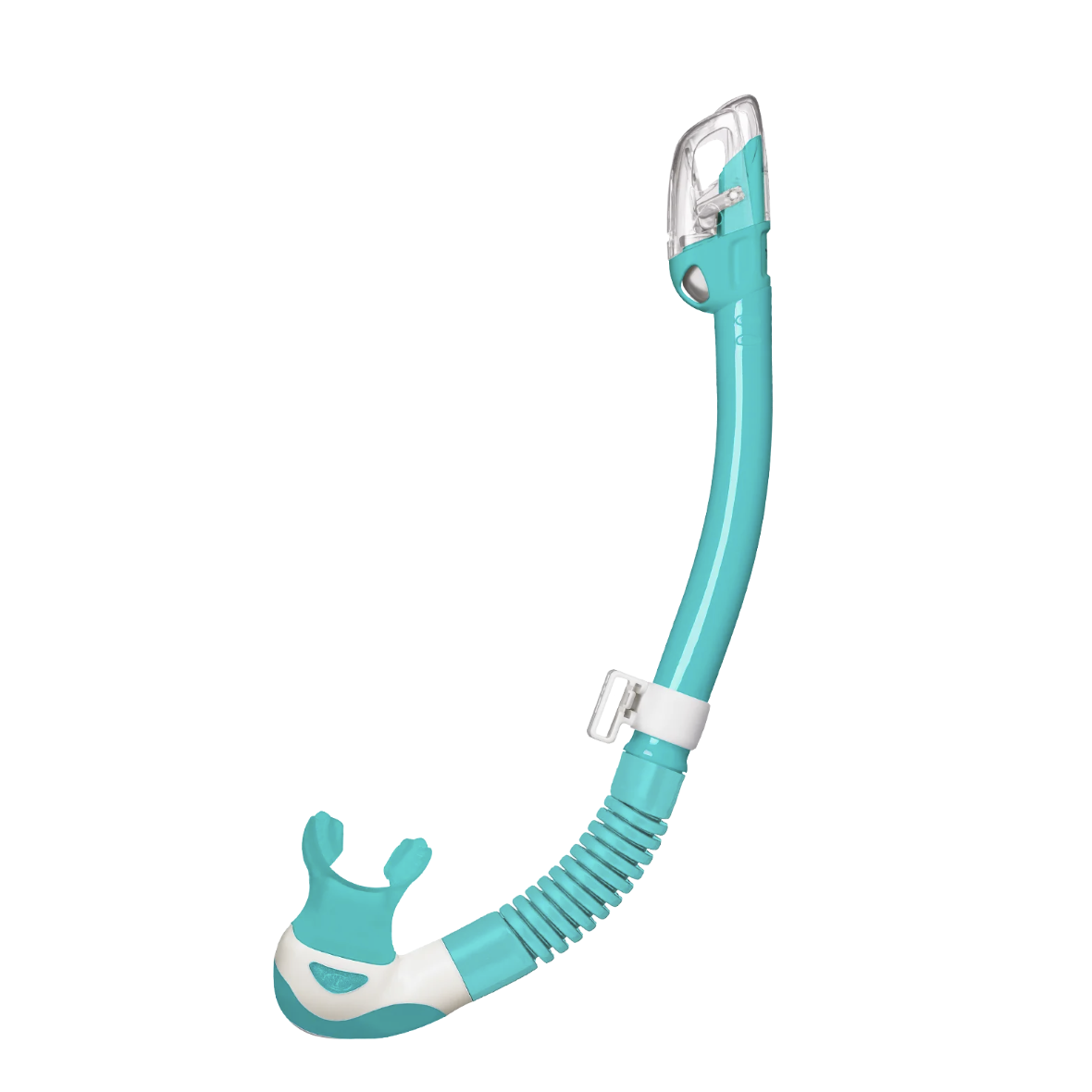
The most important feature is a comfortable mouthpiece. You should be able to breathe through the snorkel without feeling like the mouthpiece is putting excessive pressure on your jaw.
Open Snorkel
A simple open tube is lightweight, straightforward and easy to maintain.
Semi-Dry Snorkel
A splash guard helps reduce water entering from waves and surface spray while still allowing straightforward breathing.
Dry Snorkel
A float valve at the top is designed to help prevent water from entering when the snorkel is submerged.
Purge Valve
A purge valve can make clearing water from the snorkel easier, although it is not essential for every diver.
Putting Your Set Together
Think about the diving you actually plan to do.
Mostly Diving in Ontario?
If you're diving with Aquarius in Lake Ontario, the Great Lakes or other cooler-water environments, your setup will generally look different from a tropical vacation kit.
- Open-heel fins
- Fins sized to fit your dive boots
- A well-fitting silicone mask
- A comfortable snorkel for surface swimming and training
Mostly Travelling to Warm Water?
If most of your diving is done from tropical boats and warm-water resorts, keeping your equipment lightweight may be a priority.
- Full-foot or compact travel fins
- A lightweight, comfortable mask
- A simple or compact snorkel
- Gear that packs easily into your luggage
Common Buying Mistakes
A few things are worth getting right before you worry about features.
- Buying a mask based on appearance alone. A mask needs to fit your face first.
- Choosing fins that are too stiff. More stiffness does not automatically mean better performance.
- Buying open-heel fins without your boots. Your boot thickness can significantly affect the fit.
- Overcomplicating your snorkel. Extra features are only useful if they suit how you actually use it.
- Buying everything online without trying it on. Personal fit is one of the biggest reasons to visit your local dive shop.
Start With Fit. Then Think About Features.
Your mask, fins and snorkel don't need to be the most expensive options on the wall. They need to work comfortably for you and the type of diving you actually do.
- Your mask should seal comfortably without pressure points.
- Your fins should match your footwear and diving environment.
- Your snorkel should be comfortable and easy to use.
- When in doubt, try the equipment on before you buy it.
Mask, Snorkel & Fin FAQs
Should I buy a mask before my Open Water course?
Yes. Your mask is one of the most personal pieces of dive equipment you can own, and having one that fits properly can make learning much more comfortable. We recommend trying several masks in person before choosing.
Do I need to buy fins specifically for scuba diving?
If you plan to scuba dive regularly, scuba fins are generally preferable to basic snorkeling fins because they are designed to provide propulsion while wearing your full dive equipment.
Should I get open-heel or full-foot fins?
It depends on where you dive. Open-heel fins are highly versatile and pair with dive boots, making them a common choice for cold-water and shore diving. Full-foot fins are lightweight and convenient for warm-water travel.
Do I need a dry snorkel?
Not necessarily. Dry snorkels can reduce water entering the tube when submerged, but a simple or semi-dry snorkel may be all you need. Choose based on how you plan to use it.
Can I use the same fins for cold water and warm water?
Sometimes. Open-heel fins can accommodate different boot thicknesses, but very thick cold-water or drysuit boots may require a larger fin pocket. If you regularly dive both environments, we can help you determine whether one pair or separate pairs make the most sense.
What should I bring when trying on fins?
Bring the boots you plan to dive in. This is especially important for open-heel fins because the thickness and shape of your boot directly affects the fit.
What should I buy first: mask, fins or snorkel?
Many divers start with a mask because getting the fit right makes such a noticeable difference. From there, choose fins based on your diving environment and footwear, then select a snorkel that complements your setup.
Not Sure What Fits Your Diving?
Come see us at Aquarius Scuba. We'll help you try on different masks, fins and snorkels and talk through what makes sense for the type of diving you actually do.
Visit our Shop```